

As one of the most popular heating systems, the heat pump is energy-efficient. Offering numerous environmental benefits, it uses heat from the environment to cool or heat a home. This appliance is available in several models. To make the right choice, you can consider the following three criteria.
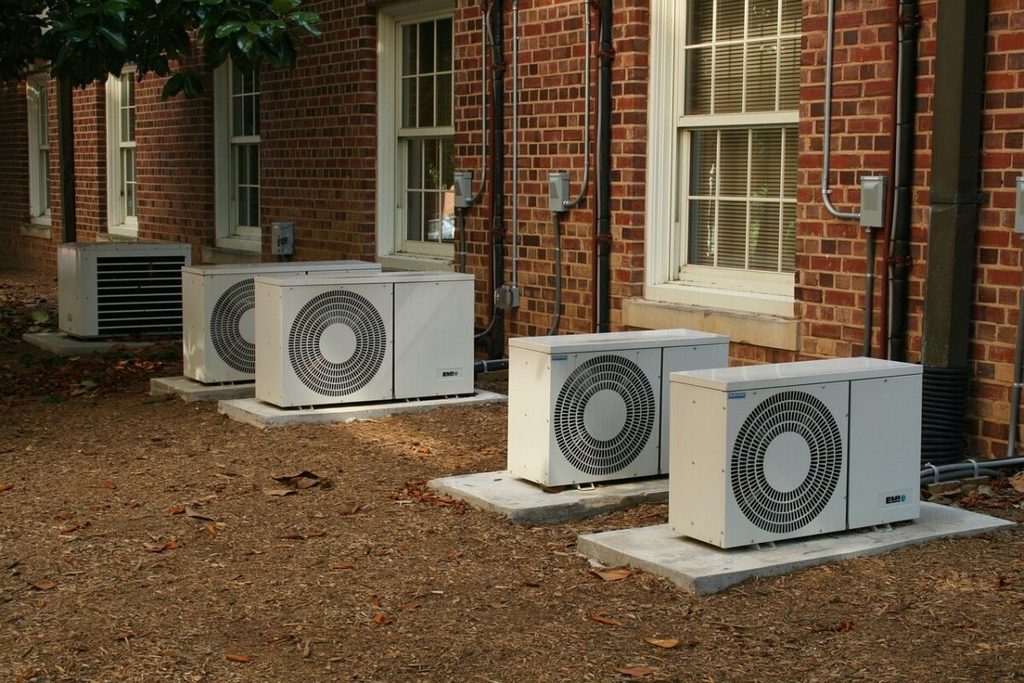
Choosing your heat pump based on three criteria
The sound level
A heat pump contains noisy components, including the fan and compressor. The noise level of this appliance varies from one model to another. For example, the indoor unit emits approximately 22 dB of noise, while the outdoor unit can produce noise levels of up to 65 dB.
The noise emitted by a heat pump can cause acoustic discomfort and disturb both the occupants of the house and the neighbors. If you wish to heat your home with this type of appliance, it is recommended to invest in a quiet heat pump. Geothermal and hygrothermal heat pumps are considered the quietest. The former extracts heat from the ground, while the latter uses the energy contained in a water table. Consequently, the indoor unit, which includes the compressor, is perfectly insulated. Air-source heat pumps, on the other hand, generate significant noise. To make them quieter, manufacturers have insulated the components likely to produce noise.
To fully enjoy the thermal comfort provided by your heat pump, choose a model that complies with the NF 414 standard. This standard guarantees that the unit is both quiet and efficient. It is also advisable to have your heating equipment installed by a qualified professional. Indeed, a shoddy installation can generate annoying noises.
Power and dimension
To ensure the efficiency of your heat pump, it’s important to carefully check its size. This determines the unit’s power output. While offering optimal thermal comfort, an oversized and powerful model is more expensive to purchase. Furthermore, its operation leads to higher energy costs.
Conversely, a less powerful and undersized heat pump may seem economical. However, it won’t effectively meet a household’s energy needs. Occupants may experience a loss of comfort, making the use of supplemental electric heating necessary. This can further increase your electricity bills. Therefore, it’s crucial to ensure you choose a heat pump model with the appropriate power output for your specific requirements.
To select the ideal size, you can seek the assistance of a professional. By first conducting a thermal assessment of your home, they will be able to recommend a discreet heat pump.
Performance indicators
The coefficient of performance (COP) is the most reliable indicator for evaluating the efficiency of a heat pump. It represents the ratio between the energy used and the energy produced by the unit. It is recommended to choose a heat pump with a COP of at least 3 to ensure maximum heat output in your home.
Furthermore, the coefficient of performance depends on the outside temperature. For an accurate assessment, it is advisable to refer to the SCOP (Seasonal Coefficient of Performance). This provides a better indication of your heat pump’s efficiency by taking seasonal variations into account. It considers three types of climate: cold, hot, and temperate.
Finally, to maintain the performance of your heat pump, regular maintenance is essential. Annual maintenance not only preserves the efficiency of the unit but also extends its lifespan.

